
India is at a turning point in its manufacturing journey, and one sector that is emerging as a powerful growth engine is printed circuit boards(PCBs). Often operating behind the scenes, PCBs are the foundation of every electronic product, from smartphones and electric vehicles to defence equipment and medical devices. As India accelerates its ambition to become a global electronics manufacturing hub, the PCB sector is entering an expansion phase that could reshape the country’s industrial landscape.
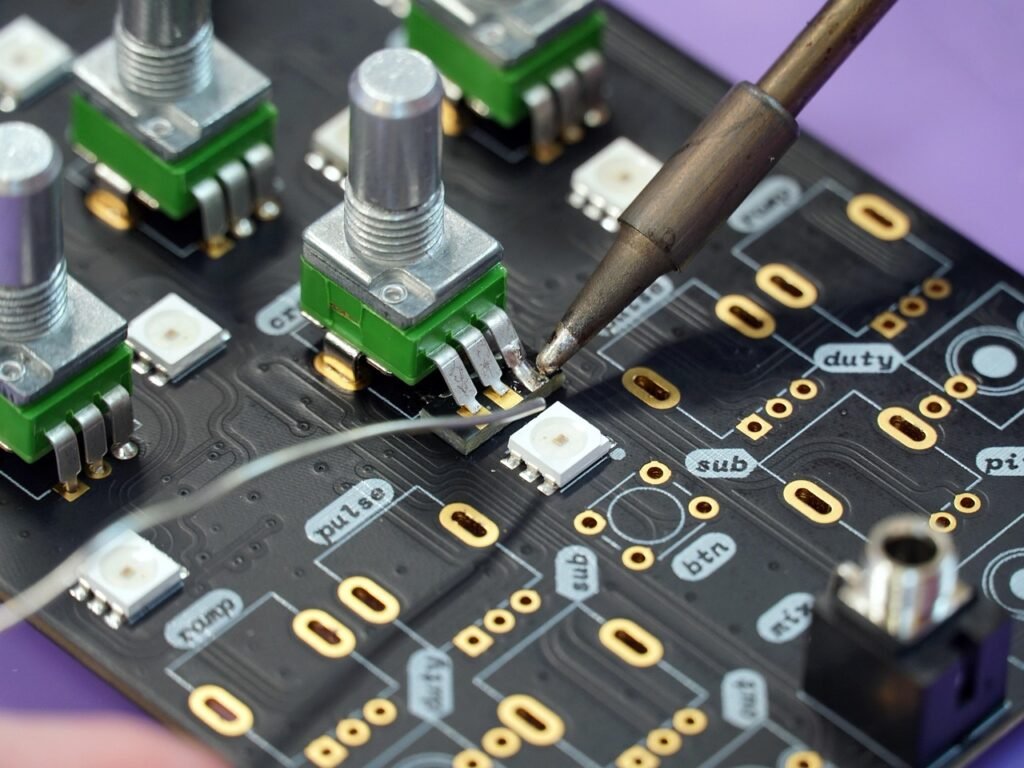
Industry estimates indicate that the Indian PCB sector could grow at a compound annual growth rate of around forty five percent through FY29. Such rapid growth is rare in manufacturing and highlights the strategic importance of this segment in India’s push toward self-reliance.
We are publishing stock market-related articles on our website. You can visit our website by clicking on the link given here. https://investmentgrip.com/
Here are a few recent articles.
https://investmentgrip.com/q3-earnings-watch-these-stocks/
https://investmentgrip.com/reliance-industries-shares-crash-5/
https://investmentgrip.com/midcap-and-smallcap-stocks-under-pressure/
India PCB Market Size and Import Dependence
The total PCB market size in India is currently estimated at nearly five billion dollars. However, domestic PCB production contributes only about $600 million to this demand. This means that nearly 88 per cent of PCBs used in India are imported, mainly from countries such as China, Taiwan, South Korea, and other parts of East Asia.
This heavy dependence on imports exposes India to supply chain risks, geopolitical tensions, and global policy changes. Recent disruptions in global trade and electronics supply chains have reinforced the need to build domestic capacity in critical components like printed circuit boards.
Electronics Manufacturing Boom Driving PCB Demand
One of the strongest tailwinds for the PCB sector is the rapid expansion of India’s electronics industry. India has become one of the fastest-growing electronics manufacturing markets globally, supported by rising smartphone usage, digital infrastructure development, electric mobility adoption, and increasing demand for consumer electronics.
Production-linked incentive programs have encouraged large-scale manufacturing of mobile phones, telecom equipment, and electronic components in India. Every electronic device requires multiple printed circuit boards, making PCBs a direct beneficiary of this growth. As manufacturers move toward more sophisticated products, demand for advanced PCBs is rising faster than overall electronics volumes.
Government Incentives Creating a Strong Ecosystem
Government policy support has emerged as a decisive catalyst for PCB manufacturing in India. Recognizing PCBs as a critical link in the electronics value chain, the government has introduced targeted incentive schemes to encourage domestic production.
The Scheme for Promotion of Manufacturing of Electronic Components and Semiconductors, commonly known as SPECS, provides financial incentives on capital expenditure for setting up or expanding PCB manufacturing facilities. This has helped reduce the high initial investment required for advanced PCB production.
In parallel, the Electronics Manufacturing Clusters scheme EMC 2.0 focuses on building world class infrastructure by developing dedicated electronics clusters. These clusters offer access to reliable power, water, logistics, and shared facilities, lowering operating costs and improving efficiency for PCB manufacturers.
Together, SPECS and EMC 2.0 are helping create a supportive environment for both Indian companies and global players to establish PCB manufacturing operations in the country.
Shift Toward High Value and Complex PCBs
Another important structural change underway is the shift from basic PCBs to high-value and complex boards. Earlier, domestic manufacturers were largely focused on single-layer and double-sided PCBs. Today, demand is increasingly shifting toward multilayer, flexible, and high-density interconnect PCBs.
These advanced PCBs are essential for electric vehicles, renewable energy systems, telecom equipment, industrial automation, medical electronics, and defence applications. They offer higher margins and require advanced technology, automation, and skilled manpower, creating strong entry barriers.
Indian manufacturers are now investing aggressively in capacity expansion, technology upgrades, and research and development to move up the value chain.
Global Uncertainty and India’s Self-Reliance Push
Policy shifts and economic uncertainty in major economies such as the United States and China are forcing global companies to rethink their supply chains. Many electronics manufacturers are actively diversifying sourcing locations to reduce concentration risk.
India is emerging as a preferred destination due to its large domestic market, improving infrastructure, and stable policy framework. As electronics manufacturing shifts toward India, local sourcing of PCBs becomes essential for cost efficiency, supply security, and faster turnaround times. This global realignment is expected to provide sustained demand for domestic PCB manufacturers over the coming years.
PCB Growth Sector in 2026: Companies to Watch
As India’s PCB ecosystem strengthens, several domestic companies are positioning themselves to play a key role in this high-growth sector by 2026. Backed by government incentives and expanding electronics demand, these companies are helping reduce import dependence and build long-term manufacturing capability.
Kaynes Technology India Limited
Kaynes Technology is emerging as one of the most prominent players in India’s PCB manufacturing expansion. The company has received approvals under the Electronics Components Manufacturing Scheme to set up advanced manufacturing facilities focused on multilayer and high-density PCBs. Kaynes is investing heavily in new capacity that is expected to become operational by mid-2026, serving automotive electronics, industrial applications, and exports.
Its strong order book, electronics manufacturing expertise, and focus on high value components position it as a key beneficiary of the PCB growth cycle.
Syrma SGS Technology Limited
Syrma SGS Technology is another important participant in India’s PCB growth story. The company is setting up a large-scale PCB manufacturing facility in Andhra Pradesh under government-supported incentive schemes. Syrma already has a strong presence in electronics design and manufacturing services across automotive, industrial, and defence electronics.
The addition of PCB manufacturing enhances its vertical integration and strengthens its ability to serve complex electronics requirements. With production expected to begin around 2026, Syrma is well-positioned to benefit from the shift toward advanced PCBs.
Amber Enterprises India Limited
Amber Enterprises, known for its leadership in consumer electronics and appliance manufacturing, is also entering the PCB space as part of its backward integration strategy. The company has announced the acquisition of a majority stake in a domestic PCB manufacturer, allowing it to secure critical components for its electronics supply chain.
This move reflects a broader trend where large electronics manufacturers are investing directly in PCB capabilities to reduce dependency on imports and improve cost efficiency. Amber’s scale and customer relationships make it a noteworthy player in the evolving PCB ecosystem.
Challenges and the Road Ahead
Despite the strong growth outlook, the PCB sector faces challenges such as dependence on imported raw materials, high capital intensity, and the need for skilled manpower. Environmental compliance and waste management also require sustained investment.
However, with increasing scale, technology adoption, and continued policy support through schemes like SPECS and EMC 2.0, these challenges are gradually being addressed. As domestic production ramps up, cost competitiveness and supply chain resilience are expected to improve.
Conclusion
Printed circuit boards are no longer a niche or overlooked segment in India’s manufacturing ecosystem. They are emerging as a strategic pillar of the country’s electronics ambitions. With a massive demand-supply gap, strong government incentives, rapid electronics industry expansion, and participation from leading companies, the PCB sector is entering a powerful growth phase.
If current trends continue, India has the potential to significantly reduce its import dependence and establish itself as a meaningful player in the global PCB supply chain by 2026 and beyond. For investors and industry participants, printed circuit boards represent one of the most compelling growth sectors in India’s manufacturing story today.
Pingback: Copper Is the New Gold 2026