
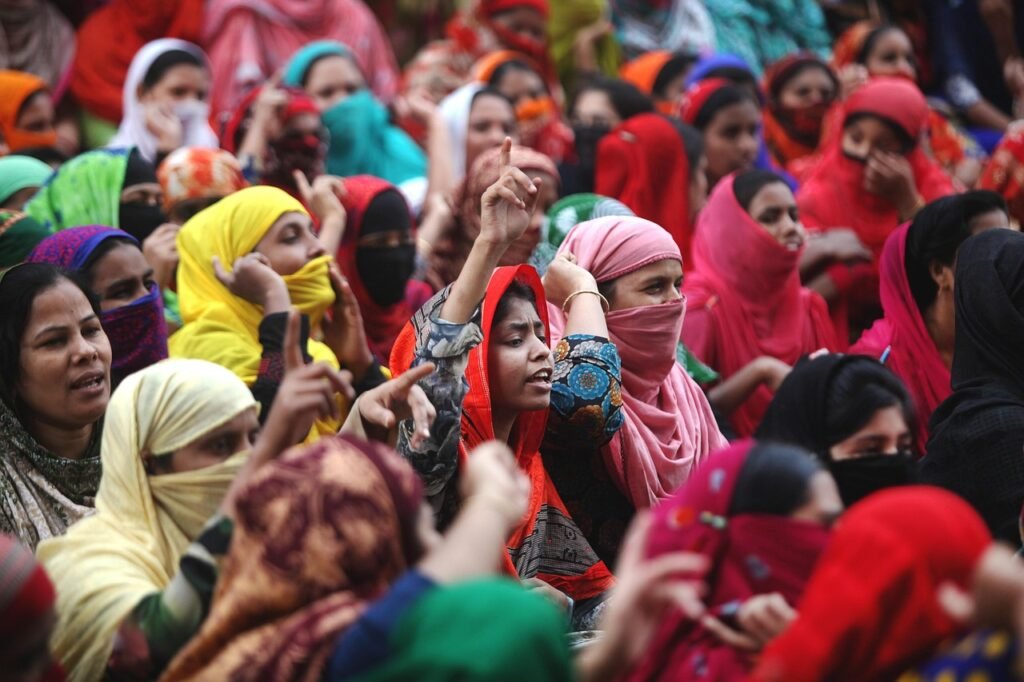
In the final days of December 2025, a wave of anti-government protests erupted in Iran and quickly expanded from Tehran to cities across the country. Initially sparked by economic despair and the national currency’s collapse, the movement has evolved into a broad challenge to Iran’s political leadership, exposing profound economic distress and growing public frustration with governance. What began as demonstrations over inflation and unemployment is now one of the largest moments of public dissent in the last several years.
We are publishing stock market-related articles on our website. You can visit our website by clicking on the link given here. https://investmentgrip.com/
Here are a few recent articles.
https://investmentgrip.com/copper-is-the-new-gold-2026/
https://investmentgrip.com/electronics-boom-makes-pcbs-a-mega-opportunity/
https://investmentgrip.com/q3-earnings-watch-these-stocks/
What Triggered the Protests
The immediate trigger was the sharp drop in the value of the Iranian rial against the U.S. dollar and soaring inflation. The currency plunged to record lows of approximately 1.4 million rials for one dollar on the free market late in 2025. This collapse drastically reduced purchasing power, making everyday living costs unbearable for many families. Inflation soared past 40 per cent, making basic food and fuel far more expensive and erasing savings for millions of people.
Trade disruptions and decades of international sanctions have undermined Iran’s economy. Even though Iran has substantial crude oil reserves estimated at roughly 208 billion barrels, it cannot fully capitalize on this wealth due to stringent U.S. sanctions on its oil sector. This has reduced state revenues and contributed to chronic budget shortfalls, creating an economic squeeze that has fostered widespread discontent.
From Inflation to Political Demands
What started as protests over economic conditions soon grew into broader political demands. Many protesters have shifted their focus beyond inflation and currency depreciation to call for fundamental change in national leadership. Among the slogans heard on the streets of Tehran and other cities was “Death to the Dictator,” clearly directed at Supreme Leader Ayatollah Ali Khamenei and the clerical establishment.
A faction of demonstrators has voiced support for Reza Pahlavi, the exiled son of Iran’s last Shah. Pahlavi has emerged as a symbolic figure for parts of the protest movement calling for more fundamental political reform. His presence at the centre of protest sentiment has attracted attention not just in Iran but internationally due to his connections with Western political circles. Some supporters of Pahlavi and observers note his open support from politicians in the United States, including former President Donald Trump, though Trump himself has declined formal engagement with him.
Another powerful dimension of the protests is the resonance with the movement known as “Women Life Freedom”, which gained international attention in earlier years. Many Iranians see the current moment as a continuation of demands for greater personal freedoms and an end to stringent controls on social and cultural life.
Split Opinion Inside Iran
Iran has effectively two voices in the current crisis. On one side are ordinary citizens, students, traders, bazaar merchants and shopkeepers who have taken to the streets to express economic frustration and political dissent. On the other side are those who support the government and resist changes to the clerical rule. State media and government loyalists depict the protests as influenced by foreign enemies and warn against unrest they claim threatens national stability.
Government Crackdown and Internet Blackout
Iranian authorities have responded forcefully to the protests. The government imposed nationwide restrictions on communications, including a near-total internet shutdown, in an effort to stifle organization and independent reporting. There have been widespread reports of clashes between security forces and demonstrators, including the use of live ammunition and teargas. Rights groups, activists and independent sources report significant casualties and a high number of arrests as the unrest continues.
U.S Involvement and International Reactions
The United States has publicly positioned itself as critical of the violent suppression of protesters and warned Iranian leaders against lethal force. Recent statements from Washington indicated that the U.S. may intervene in cases where the Iranian government kills large numbers of protesters. While the nature of such intervention remains undefined and there is no clear plan for direct military involvement, the rhetoric has inflamed tensions between the two countries.
Former U.S. President Donald Trump reiterated support for demonstrators but avoided direct engagement with Pahlavi. Iran’s Supreme Leader Ayatollah Khamenei has dismissed U.S notifications as interference in Iran’s internal affairs. This diplomatic standoff has only added complexity to an already volatile situation.
https://www.washingtonpost.com/world/2026/01/09/iran-protests-khamenei-trump
International bodies and global leaders, including the United Nations and representatives from several Western countries, have also condemned the violence and urged restraint. The international community is watching the situation closely as the unrest continues to spread.
Economic Impact Within Iran
Iran’s economy was already under severe pressure before the current protests. With limited ability to sell its oil on the international market, Iran’s crude oil exports have been curtailed by sanctions, which constrain foreign direct investment and diminish revenues from its substantial reserves. This has weakened the government’s fiscal capacity to support social programs or stabilize prices.
The collapse of the rial has directly translated into higher prices for food, medicine, fuel and imported goods. The cost of living has soared, making daily life increasingly unaffordable for ordinary Iranians. Markets in many cities have shut down as merchants have joined strikes and avoided opening shops in protest or fear of violence.
Global Markets and Commodity Price Effects
The instability in Iran has had ripple effects across global markets. With Iran being a key player in regional geopolitics and a significant energy holder, tensions have contributed to volatility in energy prices. Commodity markets, particularly oil, have shown heightened sensitivity to the news coming out of Iran as investors seek safer assets amidst uncertainty.
Gold, which is traditionally viewed as a haven during crises, has risen sharply. Recent prices indicate gold reaching over four thousand five hundred dollars per ounce as traders hedge against geopolitical risk and currency fluctuations. This surge reflects global nervousness about prolonged unrest and potential disruptions in energy markets.
Global equity markets have also shown increased volatility in response to the unfolding crisis. Asian and European markets experienced sell-offs in energy and financial sectors amid risk-off sentiment. Investors often reallocate capital toward assets like gold, safe government bonds and stable currencies when geopolitical tensions escalate.
Why This Matters to the World
Iran sits at a strategic crossroads both geographically and politically. Its large crude oil reserves and influence in the Middle East make developments inside the country impactful beyond its borders. Even though Iran cannot fully sell its oil due to sanctions, the perception of supply disruption in the Middle East affects global energy markets due to the risk premium added to oil prices.
Prolonged unrest could further weaken Iran’s economy and potentially reshape internal politics. The protest movement has rekindled conversations about governance and the future of the Iranian political system. If the unrest evolves into a broader movement for regime change it could have geopolitical implications far beyond Iran’s borders including alterations in alliances and regional power balances.
Conclusion
The ongoing protests in Iran reflect deep economic and social anxieties that have now converged into a significant political challenge to the current government. From inflation and currency collapse to demands for political change and rights, this movement embodies profound dissatisfaction with the status quo. The government’s heavy-handed responses, internet blackout and international reactions have intensified global focus on the crisis.
As protests continue and world markets respond to heightened tensions, the events unfolding in Iran will remain a key story in 2026. What started as economic frustration has become a powerful moment of public assertion and a potential turning point in the history of the Islamic Republic.
Pingback: Silver Price 10 Lakh by 2030