
Over the last few years, global markets have been sending mixed signals. Equity markets remain volatile, interest rates are uncertain, and geopolitical tensions continue to rise. Amid all this noise, one powerful theme is quietly returning to the spotlight: commodities. Investors, analysts and policymakers are increasingly asking one important question. Is the world entering a new commodity supercycle?
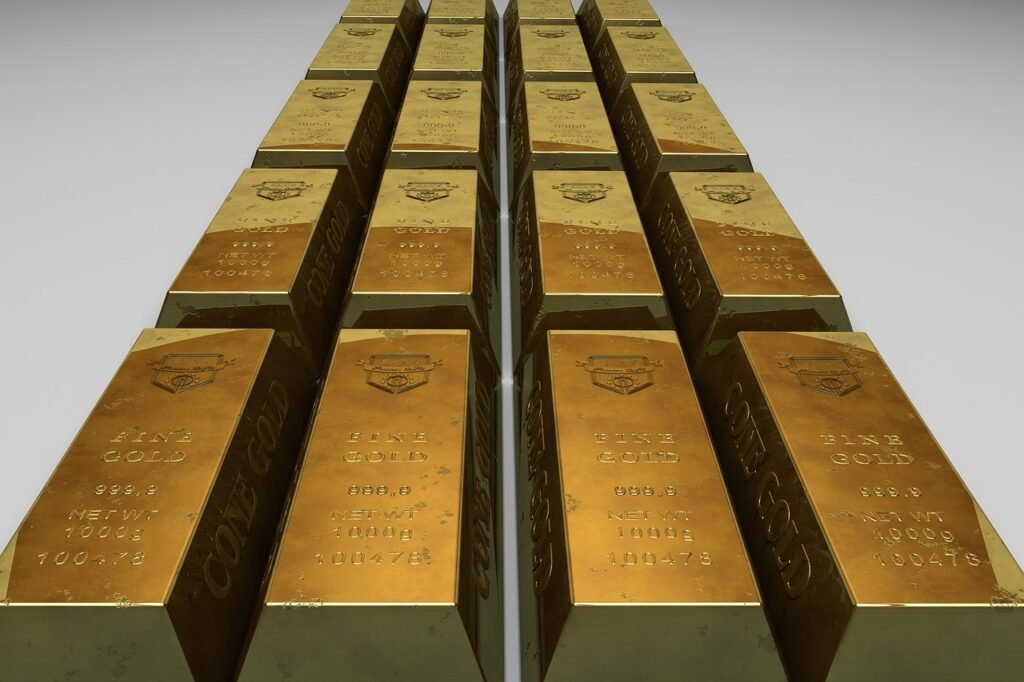
A commodity supercycle refers to a long period of rising demand and elevated prices across a wide range of raw materials. These cycles typically last for decades and are driven by structural changes in the global economy rather than short-term supply disruptions. History suggests that supercycles emerge when industrial transformation collides with constrained supply.
Today, several powerful forces are aligning once again.
We are publishing stock market-related articles on our website. You can visit our website by clicking on the link given here. https://investmentgrip.com/
Here are a few recent articles.
https://investmentgrip.com/why-billionaires-want-greenland/
https://investmentgrip.com/where-to-invest-amid-global-uncertainty/
https://investmentgrip.com/psu-stocks-no-longer-value-traps/
Understanding Commodity Supercycles from History
Major global transformations drove past commodity supercycles. The industrial revolution fueled demand for coal, iron and steel. Post war reconstruction boosted energy and metal consumption. China’s rapid industrialisation after joining global trade markets created the most recent supercycle in the early 2000s.
Each cycle shared common characteristics. Rapid demand growth, large-scale infrastructure development urbanization and long periods of underinvestment before the boom began.
The current environment mirrors many of these conditions.
The Energy Transition Is Reshaping Demand
One of the strongest drivers of the current commodity rally is the global energy transition. Governments across the world are shifting away from fossil fuels toward renewable energy, electric vehicles, and low-carbon infrastructure.
This transition is extremely commodity-intensive.
Electric vehicles use significantly more copper than traditional vehicles. Solar panels require silver, aluminium, and polysilicon. Wind turbines depend on copper, steel and rare earth elements. Power grids must be upgraded with massive quantities of metals to handle renewable energy flows.
Unlike past cycles driven by one country, this transition is global and policy-driven. Demand is being created not just by markets but by government mandates and climate commitments.
Artificial Intelligence Is Fueling a New Wave of Consumption
Artificial intelligence is no longer theoretical. Data centers cloud computing, and advanced chips are expanding rapidly. These technologies consume enormous amounts of energy and materials.
Data centers require copper for wiring, cooling systems and power distribution. Semiconductors depend on rare earth elements, silver and speciality metals. Battery storage systems demand lithium, nickel, cobalt and graphite.
As AI adoption accelerates, demand for these commodities is rising faster than supply can respond.
Supply Constraints Are Becoming Structural
One of the most important features of a supercycle is supply inflexibility. Commodity supply cannot increase quickly. Mining projects take years to develop. Environmental regulations have become stricter. Capital investment in mining and energy was neglected for over a decade.
After the previous commodity downturn, many producers cut spending. Exploration budgets were reduced. New capacity was delayed. Now demand is rising, but supply is struggling to keep pace.
This imbalance is not temporary. It is structural.
Geopolitics Is Weaponizing Commodities
Geopolitical tensions have added another layer of complexity. Trade wars, export restrictions and sanctions are disrupting traditional supply chains.
China controls large portions of rare earth processing. Russia remains a major energy supplier. Resource nationalism is rising across Africa and Latin America.
Countries are increasingly viewing commodities as strategic assets rather than free market goods. This shift is fragmenting global supply and increasing price volatility.
When resources become political tools, markets respond with higher risk premiums.
Infrastructure Spending Is Back
Governments are once again spending heavily on infrastructure. Roads, railways, ports, power grids and urban development are being prioritized to support economic resilience.
Infrastructure requires steel, cement, copper, aluminium, and energy. Unlike digital assets, these materials cannot be replaced easily.
India, the United States, and parts of Europe are all investing heavily in physical assets that support long-term commodity demand.
Inflation Has Changed Commodity Perception
For years, commodities were ignored due to low inflation and abundant supply. That era has ended.
Persistent inflation has reminded investors that commodities act as real asset hedges. Central banks have struggled to control price pressures while supply disruptions persist.
As confidence in fiat currencies fluctuates, hard assets regain appeal.
Are We Already in a Supercycle or Just a Rally
Sceptics argue that recent price increases are cyclical and driven by temporary factors. However, the breadth of demand across energy metals, industrial commodities and precious metals suggests something deeper.
A true supercycle is defined by sustained demand growth across multiple sectors combined with constrained supply. Current conditions meet these criteria.
The energy transition alone requires trillions of dollars of investment over decades. AI infrastructure expansion has only just begun. Supply shortages cannot be resolved quickly.
This is not a short-term story.
Risks That Could Delay the Supercycle
No thesis is without risks. A global recession could temporarily reduce demand. Technological breakthroughs could reduce material intensity. Policy changes could slow renewable adoption.
However, even in downturns, governments continue to make infrastructure and energy investments. Long term trends remain intact despite short-term volatility.
Supercycles are not straight lines. They unfold over the years with corrections along the way.
What This Means for Investors
If a commodity supercycle is indeed underway, it changes investment strategy. Timing becomes less important than positioning. Quality assets, resource producers, and downstream beneficiaries gain relevance.
Diversification across commodities and geographies becomes essential. Investors should focus on companies with strong balance sheets, access to resources and pricing power.
This is not about chasing price spikes but understanding structural shifts.
India’s Position in the Commodity Cycle
India stands at an interesting crossroads. As a large consumer of commodities, India benefits from stable supply and lower prices, but also has opportunities in domestic production and processing.
India’s infrastructure pushes renewable expansion and manufacturing growth increase commodity demand internally. At the same time, import dependence highlights the need for supply security.
Policy support could turn India into a beneficiary of the next cycle rather than a victim.
Conclusion: A Structural Shift Is Underway
The world is undergoing a transformation that demands massive amounts of raw materials. Energy systems are changing, technology is expanding, infrastructure is being rebuilt, and geopolitics is redefining trade.
These forces are not short-lived.
While market volatility will continue, the underlying trajectory of commodity demand appears strong and sustained. History suggests that such alignment of demand drivers and supply constraints marks the beginning of a supercycle.
The signs are visible. The only question is how prepared investors are to recognize them.
Pingback: Why Electric vehicle Stocks Are Falling Despite Big Growth
Pingback: Smart Money Moving in 2026 Where Big Investors Are Allocating Capital
Pingback: : Oil at Risk: Middle East Tensions’ Impact on Indian Stocks