
In the rapidly changing world of international trade policy, one of the most significant developments at the end of 2025 is Mexico’s decision to raise import tariffs on goods from certain countries with which it does not currently have a free trade agreement. Among those countries is India, a major exporter of manufactured products and intermediate goods. This new tariff regime, which is set to take effect from January 1 2026, is expected to reshape trade flows between India and Mexico and have far-reaching implications for key Indian industries.
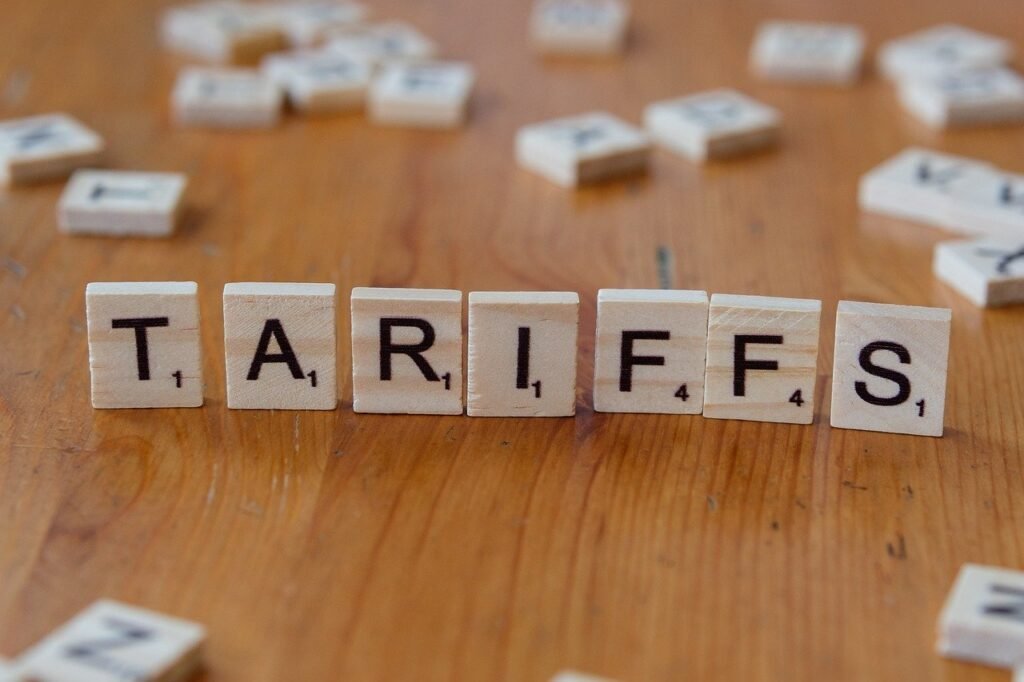
Mexico’s Senate recently approved a comprehensive tariff increase that could see duties rise as high as 50% on a wide range of products imported from India and other Asian nations. The government’s stated objective is to protect domestic production and jobs and to generate additional revenue. However, the move has triggered concern among Indian exporters and policymakers who fear a major setback to India’s growing export base.
In this article, we will examine the specifics of Mexico’s tariff changes, the most affected sectors in India and the potential impact with approximate percentages. We will also consider possible long-term implications for trade and strategic responses from the Indian industry and government.
We are publishing stock market-related articles on our website. You can visit our website by clicking on the link given here. https://investmentgrip.com/
Here are a few recent articles.
https://investmentgrip.com/cybersecurity-stocks-shine-in-2025/
https://investmentgrip.com/nvidia-shocks-the-market-with-powerful-quarter/
https://investmentgrip.com/mutual-funds-that-doubled-wealth-in-2-years/
Why Has Mexico Raised Tariffs on Indian Imports?
Mexico’s decision to raise tariffs comes amid broader global trade tensions and a resurgence of protectionist trade policies. The new tariff law targets more than fourteen hundred product lines from countries without preferential trade agreements, including India, China, South Korea, Thailand and Indonesia. The hike is intended to reduce Mexico’s reliance on foreign goods and support its domestic manufacturing base.
Another factor influencing this shift is geopolitical. Mexico’s policy adjustment aligns with wider pressure from the United States to limit commercial interactions with Asia that could potentially be rerouted into North America under the USMCA trade agreement. While the official rationale is domestic protection, both economic and strategic reasoning underlie the policy.
Overall Impact on Indian Exports
India’s bilateral merchandise trade with Mexico has been steadily growing over recent years. The total value of Indian exports to Mexico was nearly 8.9 billion US dollars in 2024 with engineering goods vehicles metals and chemicals amongst the leading categories. These new tariff increases are projected to cause a significant decline in the competitiveness of Indian goods in the Mexican market. Some estimates suggest that the affected export categories could experience a decline of roughly 25-40% when the new duties are fully implemented.
This potential fall of up to 40% in tariff-affected trade would not only reduce the volume of exports but could also disrupt supply chains and long-term market strategies for Indian companies that rely on Mexico as a key destination market.
Sectors Most Affected in India and Percentage Impact
Mexico’s tariffs vary by product category. Some sectors face steeper increases while others are relatively less impacted. Below is a breakdown of the most affected sectors along with approximate tariff levels and possible effects on India’s export performance.
Automobile Sector – Most Exposed – Up to 50% Duty
The Indian automobile industry stands out as the most directly and severely affected sector. Passenger vehicles exported from India to Mexico will see import duties rise from around 20-50%. This steep increase means that cars and light vehicles exported to Mexico will become significantly more expensive for Mexican buyers.
The Indian automobile industry stands out as the most directly and severely affected sector. Passenger vehicles exported from India to Mexico will see import duties rise from around 20-50%. This steep increase means that cars and light vehicles exported to Mexico will become significantly more expensive for Mexican buyers.
This impact includes vehicles produced by major Indian and multinational car manufacturers such as Volkswagen, Hyundai, Nissan and Maruti Suzuki, which collectively ship a substantial share of India’s auto exports to that market.
Auto Parts and Components – 25 to 50%
Closely linked to the automotive sector is the auto parts and components industry. Products such as engines, transmissions, electrical components and other intermediate parts will face tariff increases ranging from 25-50%.
This escalation in duties will reduce the price competitiveness of Indian auto parts in Mexico, making it harder for Indian manufacturers to maintain market share. This segment might see an export decline approaching 30% as Mexican assemblers seek alternative suppliers or negotiate new pricing terms.
Engineering Goods and Machinery – Up to 35%
Engineering goods, including machinery, nuclear reactors, boilers, and industrial equipment, make up a significant portion of India’s exports to Mexico. These products are subject to tariff hikes of up to 35%.
While not as sharply affected as automobiles, the increased costs will still erode margins and competitiveness. Exporters may see demand decline by an estimated 20-30%, depending on how buyers react to the price increases and whether alternative suppliers can offer lower-priced options.
Electrical and Electronic Equipment – Up to 35%
India also exports electrical and electronic products to Mexico worth hundreds of millions of dollars annually. These goods will also face tariff increases up to around 35% for certain product lines.
Electrical machinery and electronic equipment often compete in markets where price sensitivity is high. Therefore, higher duties may cause a noticeable drop in exports, potentially in the range of 30 % as Mexican buyers adjust to increased landed costs.
Textiles, Apparel, and Footwear – Up to 35%
Textile goods, apparel and footwear are key export segments for India globally. Under the new tariff framework, these products could attract duties of up to 35%.
This higher duty burden will particularly impact mass market textile and clothing exports that compete primarily on cost. While niche high-end products might survive the tariff shock better the broader export category may shrink by 20-30% as products become less price competitive compared to local or other lower duty suppliers.
Steel and Metal Products – 35 to 40%
India’s exports of iron, steel and other metal products to Mexico are also under threat from increased tariffs ranging from around 35-40%.
Steel exports in particular are cost sensitive and importers may switch to alternative sources or scale down purchases leading to a possible reduction in export volumes by thirty to forty percent in this segment.
Organic Chemicals and Pharmaceuticals – 15 to 30%
Organic chemicals and pharmaceutical exports from India to Mexico are likely to face moderately higher tariffs in the range of 15-30%. Some generic drugs and chemical intermediates might still maintain competitiveness despite the tariff increase.
However, this segment is also expected to face a contraction, potentially in the range of 15-25% as buyers balance cost increases against available alternatives.
Aluminium and Other Metals – Up to 35%
Aluminium products and other metals exported from India will see duties of up to 35%. India’s share in certain Mexican import categories is strong, but even so, exporters may face a decline in demand of around 20-30 % due to increased landed costs.
Long-Term Consequences and Strategic Responses
The immediate effect of Mexico’s tariff hikes will likely be felt in reduced export volumes and loss of market share in key sectors. Indian firms may explore alternatives such as increasing local manufacturing presence in Mexico, forming joint ventures with Mexican partners or pushing for a bilateral trade agreement to secure more favourable trade terms.
The immediate effect of Mexico’s tariff hikes will likely be felt in reduced export volumes and loss of market share in key sectors. Indian firms may explore alternatives such as increasing local manufacturing presence in Mexico, forming joint ventures with Mexican partners or pushing for a bilateral trade agreement to secure more favourable trade terms.
Conclusion
Mexico’s tariff increase signals a new era in global trade where protectionist measures can rapidly alter established export patterns. For India, the sectors most affected include automobiles, auto parts, engineering goods, electronics, textiles, steel, chemicals and metals, with tariff impacts ranging from 15% up to 50%. These changes could reduce export competitiveness by as much as 40% in key categories.
How India responds to this challenge through diplomacy trade negotiations, and industry adaptation will determine whether Indian businesses can maintain their foothold in Mexico’s market or find alternative pathways to sustain growth.
For more detailed information about the tariffs, you can visit the link given below.
Hey everyone! I’m looking for new online game to place my bets. Has anyone tried jogo365bet and can share their experiences? Good or bad, I wanna know! Visit here: jogo365bet
The Phbetloginapp is a game-changer! Betting on the go is now super simple and convenient. Download the app and get started at phbetloginapp!
Pingback: “Midcap and Smallcap Stocks Under Pressure in 2026