
The Middle East tensions’ impact on Indian stocks has become a critical theme for investors as geopolitical uncertainty once again raises concerns about crude oil supply disruptions. India imports a significant portion of its crude oil requirement, and any escalation in conflict across oil-producing regions directly affects domestic markets. Understanding the Middle East tensions’ impact on Indian stocks is essential for investors seeking to protect portfolios and identify sector-specific risks and opportunities.
Why Oil Prices Matter for Indian Markets
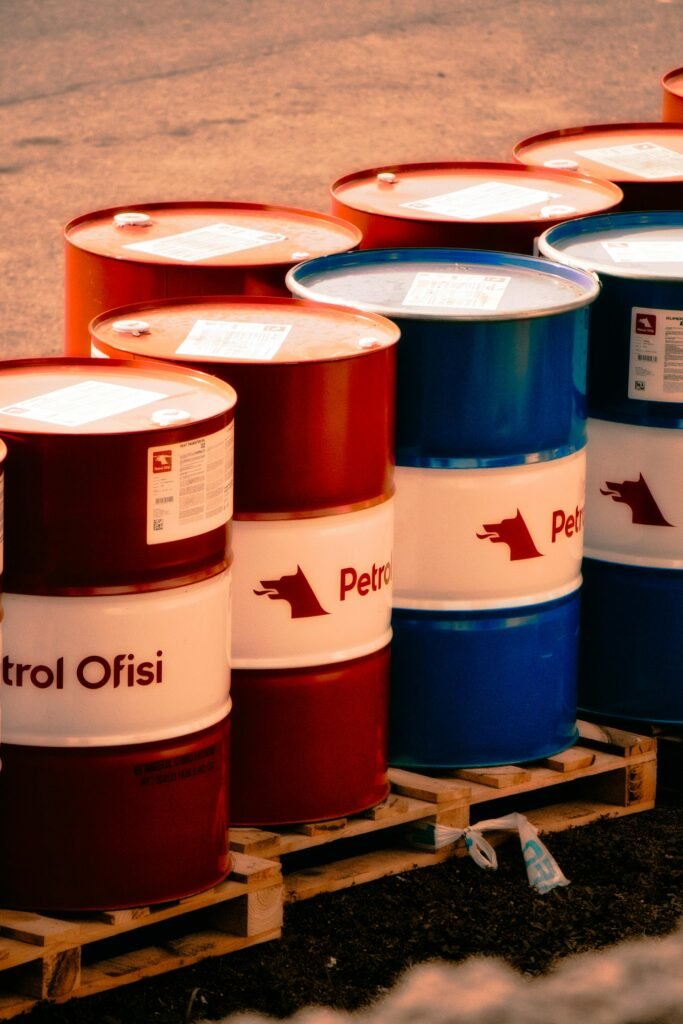
India is heavily dependent on crude imports, and oil price volatility influences inflation, fiscal balance, currency stability, and corporate margins. When conflicts intensify across major oil-producing nations, supply fears push global crude prices higher.
The Middle East tensions’ impact on Indian stocks becomes visible almost immediately in sectors that are directly linked to fuel costs. While some companies benefit from higher realizations, others face margin compression.
Investors must therefore analyse which sectors are sensitive to crude fluctuations and how earnings may shift in upcoming quarters.
Oil Exploration and Upstream Companies May Benefit
The most direct Middle East tensions’ impact on Indian stocks is seen in upstream oil producers. Higher crude prices typically improve realizations for exploration companies.
Indian energy giants such as Oil and Natural Gas Corporation (ONGC) https://ongcindia.com/
benefit when crude prices rise because their revenue is linked to global benchmarks.
Similarly, Oil India Limited (OIL) may see improved profitability during sustained oil price rallies.
When geopolitical risks tighten supply expectations, upstream firms often witness better earnings visibility. However, investors must also monitor government intervention risks such as windfall taxes, which can limit upside.
The Middle East tensions’ impact on Indian stocks in this segment is generally positive in the short term but policy-dependent in the long term.
Refining and Marketing Companies Face Margin Pressure
Refining companies experience a mixed impact. While higher crude increases inventory value, it also raises working capital requirements.
Companies like Indian Oil Corporation Limited (IndianOil) and Bharat Petroleum Corporation Limited (BPCL) may face pressure if retail fuel prices are not adjusted in line with global crude spikes.
Government control over pump pricing can delay margin pass-through. This makes the Middle East tensions’ impact on Indian stocks more complex for oil marketing companies compared to upstream producers.
Investors should track gross refining margins and policy commentary during earnings season to assess sustainability.
Aviation Sector Faces Dual Risk
One of the most vulnerable sectors under the Middle East tensions’ impact on Indian stocks is aviation. Airlines are highly sensitive to fuel costs, as aviation turbine fuel constitutes a significant share of operational expenses.
Major carriers such as InterGlobe Aviation Limited, which operates the IndiGo brand, face margin compression when crude prices rise sharply.
Higher oil prices not only increase operating costs but also reduce travel demand if ticket prices rise. Currency depreciation during geopolitical stress further increases imported fuel costs.
Thus, the Middle East tensions’ impact on Indian stocks in aviation is largely negative during sustained crude rallies.
Paint and Chemical Companies Under Pressure
Paint manufacturers and chemical producers also face raw material cost escalation. Crude derivatives are widely used in producing solvents, resins, and petrochemical-based inputs.
Companies like Asian Paints Limited and Berger Paints India Limited may experience input cost pressure if crude remains elevated.
Although strong brands can pass on some cost increases to consumers, demand elasticity plays an important role. If inflation rises due to higher oil prices, discretionary consumption can slow.
Therefore, the Middle East tensions’ impact on Indian stocks in the paint and speciality chemical sectors often results in near term volatility.
Currency and Inflation Linkage
Another dimension of the Middle East tensions’ impact on Indian stocks is its influence on the rupee and inflation. Higher oil imports widen the current account deficit, putting pressure on the currency.
A weaker rupee increases import costs further and can affect foreign investor sentiment. Rising inflation may also prompt tighter monetary policy, which impacts interest rate-sensitive sectors like real estate and banking.
Thus, oil-driven geopolitical stress can ripple across multiple parts of the equity market.
Historical Evidence of Oil Shock Reactions
History shows that crude price spikes triggered by Middle East conflicts have repeatedly influenced Indian markets. During previous geopolitical escalations, oil marketing companies corrected while upstream players gained.
Airlines and paint stocks typically underperformed the broader indices during oil shock phases. This recurring pattern reinforces why understanding the Middle East tensions’ impact on Indian stocks is crucial for strategic asset allocation.
For deeper insight into how commodity cycles evolve during global disruptions, you can read our earlier detailed analysis here: https://investmentgrip.com/is-a-commodity-supercycle-coming/
What Should Investors Do Now
Investors should avoid panic-driven decisions. Instead, portfolio adjustments should be based on sector sensitivity.
If crude remains elevated for an extended period, overweight exposure to upstream energy firms may offer relative stability. At the same time, cautious positioning in aviation and crude sensitive manufacturing sectors may help reduce downside risk.
Monitoring global oil inventory data, diplomatic developments, and central bank commentary is essential to anticipate trend shifts.
The Middle East tensions’ impact on Indian stocks does not remain uniform across all sectors. It creates dispersion, meaning stock selection becomes more important than index direction.
Conclusion
The Middle East tensions’ impact on Indian stocks is primarily transmitted through crude oil price volatility. Upstream oil producers generally benefit from higher realizations, while oil marketing companies, airlines, and paint manufacturers face cost pressures.
Investors who understand sector linkages, policy risks, and inflation transmission can navigate volatility more effectively. Geopolitical uncertainty may create short-term turbulence, but informed asset allocation can convert risk into opportunity.
Tracking the Middle East tensions’ impact on Indian stocks will remain essential as global energy markets respond to evolving political developments.