
Safe investments during war uncertainty become the primary focus for investors whenever geopolitical tensions rise across regions. With fears of conflict involving the United States, Iran, and Israel, alongside tensions between Pakistan and Afghanistan, global markets are entering a period of elevated uncertainty. In such environments, investors must understand how different asset classes behave and which instruments historically preserve wealth.
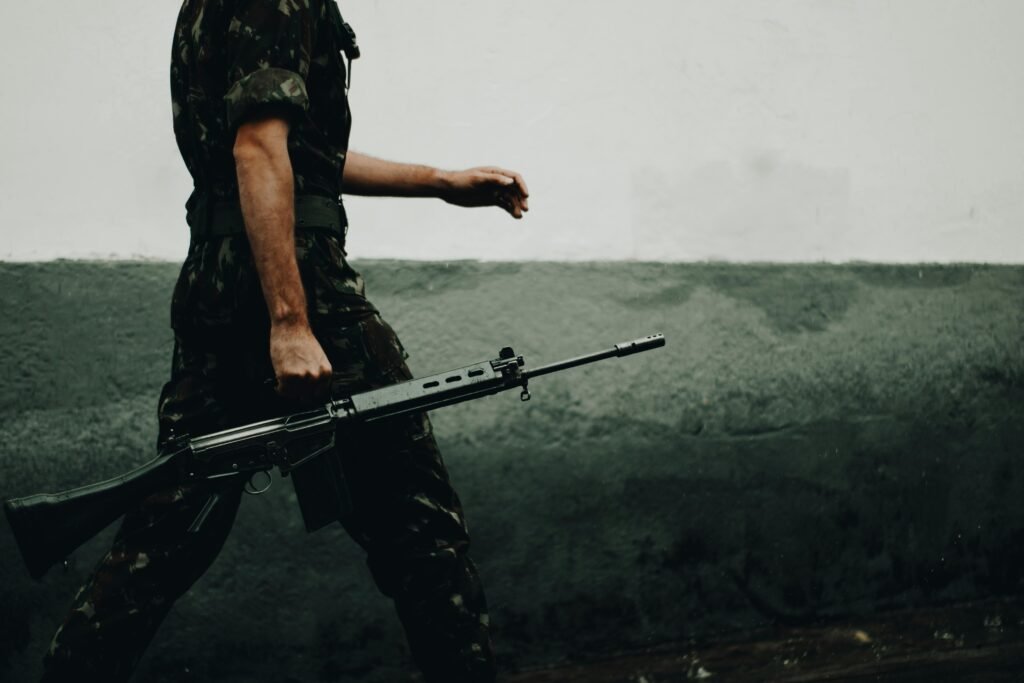
Why War Fears Move Financial Markets
Geopolitical tensions create uncertainty in trade flows, energy supply chains, currency stability, and expectations for economic growth. During such periods, investors shift away from risk assets toward safe havens. This rotation explains why discussions around safe investments during war uncertainty dominate market conversations whenever global tensions rise.
Historically, wars or geopolitical shocks have led to three immediate market reactions
• Equity markets become volatile
• Energy prices rise sharply
• Precious metals attract capital inflows
These reactions guide investors searching for safe investments during war uncertainty.
To understand how global uncertainty has already affected stock performance, we analysed this trend in our earlier report:
https://investmentgrip.com/global-markets-react-to-iran-unrest/
Gold Performance During Global Conflicts
Gold has consistently been considered the most reliable asset during global instability. During the Gulf War, the global financial crisis, and periods of Middle East tension, gold prices moved higher as investors sought protection from volatility.
Data from the World Gold Council shows that gold tends to perform strongly when geopolitical risk rises, inflation expectations increase, or currencies weaken.
For investors analysing safe investments during war uncertainty, gold remains the most historically dependable hedge because
• It preserves purchasing power
• It benefits from currency weakness
• It attracts institutional flows in crises
Silver as a Secondary Safe Asset
Silver also benefits during periods of uncertainty, though it behaves differently from gold. While it acts as a store of value, it is also influenced by industrial demand.
During war-driven uncertainty, silver usually rises alongside gold but with higher volatility. Investors looking for safe investments during war uncertainty sometimes allocate a smaller portion to silver as a complementary hedge rather than a primary safe asset.
Crude Oil and War-Driven Price Surges
Crude oil often reacts the fastest to geopolitical tensions. Any fear of conflict in the Middle East tends to push oil prices upward due to supply concerns.
For example, historical conflicts in oil-producing regions have triggered sharp spikes in crude prices, benefiting energy companies and commodity traders. However, crude is not always stable and can reverse quickly once tensions ease.
Therefore, crude can be profitable during geopolitical shocks but may not always qualify as the most reliable safe investments during war uncertainty for long-term investors.
Equity Markets During War Periods
Equities usually fall in the initial phase of geopolitical crises as investors reduce risk exposure. However, historical data show that markets often recover once the scale of the conflict becomes clear.
During prolonged uncertainty
• defence companies may outperform
• energy producers often benefit
• Export-driven sectors may weaken
Thus, equities are not the first choice when considering safe investments during war uncertainty, but selective sectors can still offer opportunities for disciplined investors.
Historical Asset Performance in Times of Conflict
Looking at past geopolitical events, asset behaviour shows a consistent pattern:
Gold: Strong and stable performance
Silver: Positive but volatile performance
Crude oil: Rapid spikes followed by corrections
Equities: Initial fall followed by recovery
This historical pattern reinforces why gold frequently ranks first among safe investments during war uncertainty, followed by selective commodity exposure.
Where Should Investors Allocate Money Now
In the current environment of geopolitical risk, investors may consider a balanced approach.
A possible allocation strategy could include
• Core allocation to gold for stability
• Small exposure to silver for diversification
• Tactical exposure to energy companies or crude-linked funds
• Selective equity exposure in defensive sectors
This mix helps investors benefit from safe investments during war uncertainty while still participating in long-term growth opportunities.
For more insights on global commodity trends and investor flows, readers can explore market coverage here: https://www.reuters.com/markets/commodities/
Risk Management Is More Important Than Prediction
Instead of trying to predict wars or geopolitical outcomes, investors should focus on asset allocation and risk management. History shows that markets eventually stabilise, but portfolios that include safe investments during war uncertainty tend to recover faster and experience lower drawdowns.
Diversification across commodities, currencies, and equities remains the most effective strategy during unpredictable global events.
Conclusion
Periods of geopolitical tension remind investors that markets are influenced not only by earnings and growth but also by global stability. The current fears of conflict across multiple regions have again pushed attention toward safe investments during war uncertainty.
Historical evidence suggests that gold remains the most consistent hedge, silver offers secondary protection, crude provides tactical opportunities, and equities require careful selection. Investors who maintain diversification and discipline during uncertain times are better positioned to protect wealth and benefit when stability returns.