
For centuries, silver has been seen as a precious metal secondary to gold. Yet in the modern world, white metal is no longer just a store of value or a jewellery metal. It has quietly become one of the most critical industrial resources of the twenty-first century. From solar panels and electric vehicles to semiconductors and artificial intelligence hardware, white metal is now deeply embedded in the global manufacturing ecosystem.
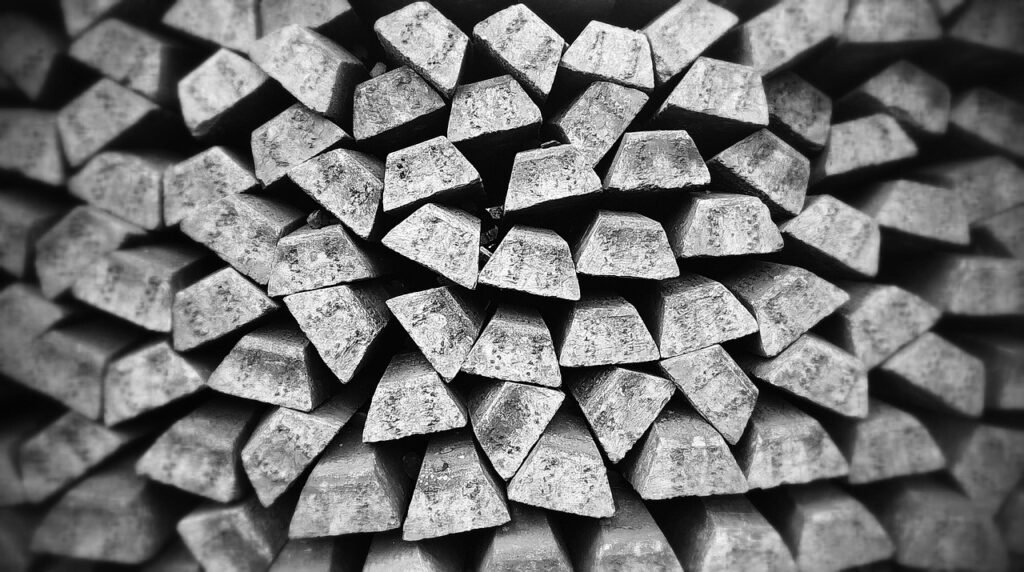
This structural shift has led many investors and analysts to ask a bold question. Can white metal prices reach ten lakhs by 2030? While this may sound extreme at first glance, the underlying global dynamics suggest that silver is entering a phase where supply control, geopolitics and industrial demand could redefine its valuation.
We are publishing stock market-related articles on our website. You can visit our website by clicking on the link given here. https://investmentgrip.com/
Here are a few recent articles.
https://investmentgrip.com/global-markets-react-to-iran-unrest/
https://investmentgrip.com/copper-is-the-new-gold-2026/
https://investmentgrip.com/electronics-boom-makes-pcbs-a-mega-opportunity/
Global Silver Production Versus Global Control
Mexico is the largest producer of silver in the world. Other major silver-producing countries include Peru, China, Australia, and Russia. On paper, this would suggest that Mexico holds significant influence over the global white metal market. However, production alone does not determine power in modern commodity markets.
The most important and often overlooked reality is that the global silver supply chain is not controlled by the largest miner. It is controlled by the country that dominates the downstream process. That country is China.
China controls roughly sixty to seventy percent of the global silver downstream ecosystem. This includes refining, processing and converting raw silver into usable industrial-grade material. A large portion of silver mined in Mexico, Peru, Africa, and other regions is shipped to China for refining.
Raw white metal in its mined form cannot be directly used in high-technology industries. It must be refined to extremely high purity standards before it can be deployed in solar cells, batteries, electronics, and semiconductor fabrication. China has built massive refining capacity over the last two decades, and today it sits at the centre of this transformation process.
Industrial Consumption Is Where Power Lies
After refining comes industrial consumption, and this is where China further strengthens its dominance. China is the largest consumer of silver in the world. It is the manufacturing hub for solar panels, electric vehicle batteries, electronics and semiconductors.
White metal is a key input in photovoltaic cells used in solar panels. It is essential for electrical conductivity in electric vehicles and charging infrastructure. It is critical in circuit boards, sensors and chips used in electronics and artificial intelligence systems.
By controlling both refining and consumption, China does not just process White metal. It converts silver into high-value finished products. This gives China pricing power, supply influence and strategic leverage in global trade.
Weaponization of the Silver Supply Chain
In recent developments, China has begun to formalise this control through policy. The Ministry of Commerce of China announced new export licensing rules that apply to silver, tungsten and antimony.
Under the new framework, all silver exports require government licenses. Companies must meet strict eligibility criteria to qualify for export approval. This is not an outright ban, but it creates substantial barriers that effectively restrict exports.
One of the most critical requirements is production scale. Exporters must have produced at least eighty tonnes of silver in 2024. They must also meet quality compliance standards and strict financial conditions. Small producers, traders and intermediaries who do not meet these thresholds are effectively excluded from the export market.
Another key condition is domestic priority. Exports will only be permitted after domestic needs are met. Given China’s leadership in electric vehicle batteries, solar panels, semiconductors and artificial intelligence hardware, domestic demand alone absorbs massive quantities of silver.
This policy creates what many analysts describe as a shadow ban. While exports are technically allowed, the practical challenges ensure that very little surplus leaves the country.
Global Demand Is Already Outpacing Supply
The silver market was already in deficit even before these policy changes. In 2024, global silver demand stood at approximately one thousand one hundred sixty-four million ounces. Global supply during the same period was only around one thousand fifteen million ounces.
This created a significant supply gap that had to be filled through inventory drawdowns. Such deficits cannot persist indefinitely without causing price adjustments.
Unlike gold, White metal has limited above-ground stockpiles that are readily available for sale. A large portion of silver is locked into industrial products and cannot be easily recycled in the short term.
As clean energy deployment accelerates, electric vehicle adoption rises, and artificial intelligence infrastructure expands, silver demand is expected to grow further. At the same time, mining output is constrained by declining ore grades, rising costs and environmental restrictions.
Why Silver Is More Strategic Than Gold Today
Gold remains a monetary metal and a hedge against inflation and currency instability. White metal, on the other hand, has become a strategic industrial metal. It sits at the intersection of energy transition technology, manufacturing and geopolitics.
Every major future growth theme requires silver. Solar power expansion depends on silver paste. Electric mobility relies on white metal for conductivity. Data centres and artificial intelligence systems consume silver through electronics and power management systems.
Unlike gold, silver does not benefit from substitution. Few viable alternatives match white metal’s conductivity, durability and efficiency in these applications.
This makes the white metal with inelastic demand. Even if prices rise sharply, industries cannot easily reduce consumption without compromising performance.
China’s Strategic Advantage and Global Vulnerability
By controlling refining and consumption, China effectively influences the availability of silver for the rest of the world. Countries that rely on imports of refined silver face potential supply disruptions, higher costs and strategic vulnerability.
This dynamic is increasingly being viewed through the lens of geopolitics and trade wars. White metal has joined a growing list of materials that are no longer just commodities but strategic assets.
As tensions rise between major economies, supply chains are being reassessed. However, building refining capacity and alternative manufacturing hubs takes years, not months.
This creates a period of vulnerability during which prices can rise sharply if supply restrictions intensify.
Can Silver Reach Ten Lakh by 2030
Whether this precious metal reaches ten lakhs by 2030 depends on several converging factors. Continued demand growth from clean energy, electric vehicles and artificial intelligence is almost certain. Supply expansion remains limited due to geological and regulatory constraints.
China’s export licensing regime adds a layer of structural tightness to global supply. If similar controls are extended or tightened further, the supply available to global markets could shrink materially.
Inflation, currency debasement and investor interest in tangible assets could also amplify price movements. Unlike gold, silver benefits from both industrial demand and investment demand.
While ten lakh is an aggressive target, it is not purely speculative. If deficits persist, geopolitical controls intensify, and industrial demand accelerates, white metal prices could undergo a re-rating similar to what energy metals experienced in the last decade.
Conclusion: Silver at the Centre of the Next Decade
Silver is no longer just a precious metal sitting quietly in the shadow of gold. It has become a critical resource powering the technologies that will define the future economy.
The combination of supply deficits, China’s downstream control, and explosive industrial demand creates a unique setup. In such an environment, price discovery can be swift and dramatic.
Whether white metalreaches ten lakhs by 2030 or not, the broader trend is clear. White metal has entered an era where its strategic importance is being recognised by governments, industries and investors alike.
The metal, once valued primarily for its shine, may now shine brightest as a pillar of global economic power.
Pingback: Why Compounding Failed in Japan: Is India at Risk