
War impact on stocks is becoming the central concern for investors as geopolitical tensions rise across multiple regions, including the Middle East and South Asia. When global conflicts escalate, markets react sharply, and capital quickly shifts from risk assets to defensive sectors. Understanding the war’s impact on stocks helps investors protect their portfolios and even identify opportunities during uncertainty.
Why War Impact on Stocks Matters for Investors
The war impact on stocks is not just about short-term volatility. Historically, wars change commodity prices, government spending priorities, supply chains, and investor psychology. During conflict periods, money usually flows toward defense, energy, and safe-haven assets while travel, consumption, and export-oriented sectors face pressure.
Investors who understand the war impact on stocks early often rotate their portfolios before the broader market reacts.
Defense Companies Often Benefit the Most
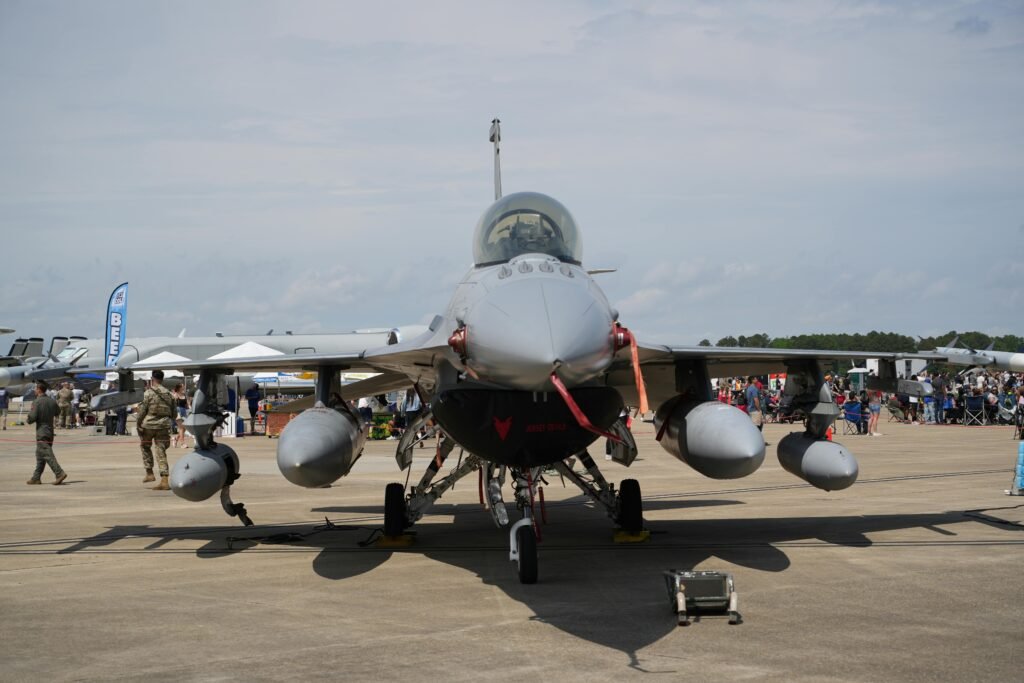
One of the clearest examples of war impact on stocks is visible in defense sector performance. When conflicts intensify, governments increase military budgets, accelerate procurement, and place urgent orders for equipment.
Indian companies positioned to benefit include
Bharat Electronics Limited, which supplies radar systems, communication equipment, and missile electronics. Rising defense spending directly improves its order book visibility.
Another strong beneficiary is
Hindustan Aeronautics Limited, which produces fighter aircraft, helicopters, and maintenance services for the armed forces. War-driven urgency often speeds up procurement cycles.
Engineering major
BharatForge also benefits through artillery systems, vehicle components, and defense exports.
Globally, companies like
Rheinmetall have already expanded ammunition production due to rising geopolitical tensions.
This clearly shows how the war impact on stocks can create winners in defense manufacturing.
Energy Companies Gain from Supply Risks
Another powerful war impact on stocks appears in the energy sector. Conflicts involving oil-producing regions often disrupt supply routes, create export restrictions, or trigger sanctions. This pushes crude prices higher.
Higher oil prices boost the profitability of global energy companies such as
Chevron, as an upstream producers benefit from stronger realizations.
For India, refining margins and energy trading spreads can improve when price volatility increases. Investors often accumulate energy stocks as a hedge against geopolitical instability.
The war impact on stocks in the energy sector historically shows strong correlation with crude price spikes during Middle East tensions.
Gold and Commodities Rise During War Fear
The war impact on stocks is also visible through investor movement toward safe assets. Gold has historically performed well during conflicts because it acts as a store of value when currencies fluctuate and equity markets fall.
During past conflicts, including the Gulf War and Russia Ukraine crisis, gold prices surged as institutional investors reduced equity exposure.
Silver and strategic metals also gain when supply chains face disruption. This makes commodity exposure an important diversification tool during conflict periods.
Sectors That Suffer from War Impact on Stocks
While some sectors gain, others face heavy selling pressure when conflicts escalate.
Airlines and Travel Industry
Airlines face a double blow from rising fuel costs and falling travel demand. Geopolitical uncertainty reduces tourism and corporate travel, impacting profitability. Investors often exit aviation stocks early when tensions rise.
IT Exporters and Global Services
Another visible war impact on stocks occurs in IT exporters. Global clients delay technology spending during uncertain times. Currency volatility and recession fears also affect contract visibility.
Shipping and Trade Linked Companies
War disruptions increase insurance costs, delay cargo movement, and reroute shipping lanes. This raises operational expenses and reduces profitability for logistics companies.
The war impact on stocks in trade sensitive sectors is often immediate because global commerce reacts quickly to geopolitical risks.
How Institutional Investors Respond to War Risk
Understanding the war impact on stocks also requires observing institutional money flow. During rising conflict fears, global funds typically follow three strategies
First, they reduce exposure to cyclical sectors like automobiles, real estate, and discretionary consumption.
Second, they increase allocation toward defense, commodities, and energy.
Third, they hold higher cash levels or move into gold backed assets.
Retail investors who track these shifts can align their portfolios with institutional strategy.
Historical Evidence of War Impact on Stocks
History provides clear proof of how markets react to conflicts.
During the Gulf War, oil companies surged while airlines declined sharply. During the Russia-Ukraine conflict, defense stocks rallied globally, and European energy firms saw strong price movements.
This pattern reinforces that the war impact on stocks follows a predictable rotation between risk and safety.
Historical conflict data and defence spending trends can be tracked through global research institutions, such as this report:
What Investors Should Do Now
The current geopolitical environment suggests investors should not panic but instead reposition intelligently.
Diversifying into defence-linked companies, energy exposure, and commodities can help stabilize portfolios. At the same time, investors should avoid excessive concentration in sectors vulnerable to a global demand slowdown.
The war impact on stocks does not last forever, but it can reshape sector leadership for several quarters.
For a deeper understanding of how geopolitical tensions influence commodities and market cycles, you can read our earlier analysis here: https://investmentgrip.com/is-a-commodity-supercycle-coming/
Conclusion
The war impact on stocks is one of the most powerful forces shaping market trends during uncertain times. While conflicts create fear, they also create sector specific opportunities. Defense manufacturers, energy companies, and commodity linked assets often outperform, while travel, exports, and global trade sectors struggle.
Investors who study the war impact on stocks instead of reacting emotionally can protect capital and even generate long term gains. In volatile times, smart allocation matters more than market timing.